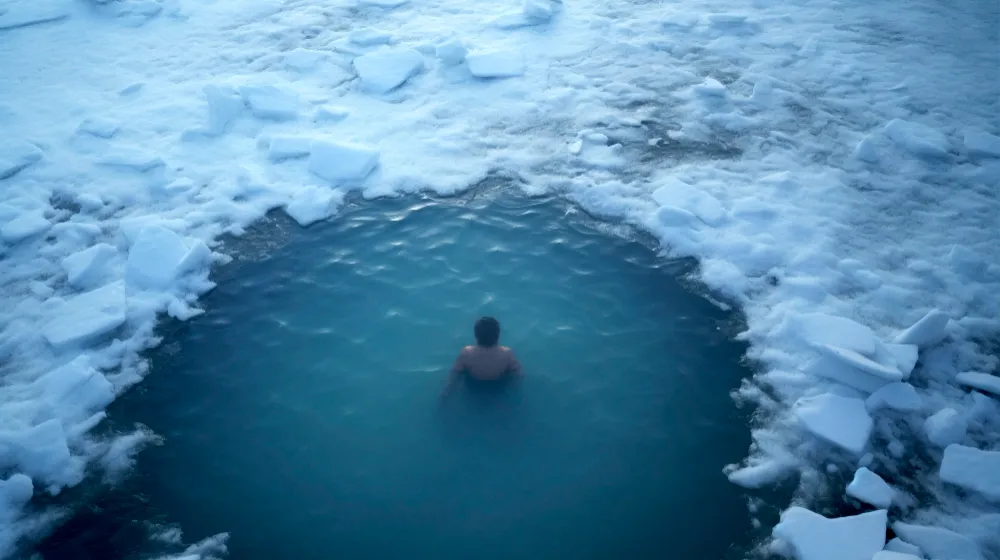
The shock of cold water against skin. The sharp intake of breath. The immediate impulse to escape. Yet within this discomfort lies a transformative power that humanity has recognized for millennia—a power that modern science is only beginning to validate and ancient traditions have long understood.
Cold exposure therapy has surged in popularity through figures like Wim Hof, the “Iceman” who has demonstrated extraordinary control over his physiology through cold immersion and breathwork. But this practice isn’t a modern invention. It represents a rediscovery of ancient wisdom, a bridge between hermetic purification rituals and contemporary neuroscience, between spiritual asceticism and measurable health benefits.
The Ancient Roots of Cold Immersion
Long before Instagram influencers shared their ice bath routines, spiritual practitioners across cultures used cold water as a tool for transformation. The ancient Spartans practiced cold bathing to develop mental fortitude. Norse warriors immersed themselves in freezing rivers as preparation for battle. Eastern Orthodox Christians have performed the ritual of ice hole immersion during Epiphany for centuries, viewing the practice as both physical and spiritual cleansing.
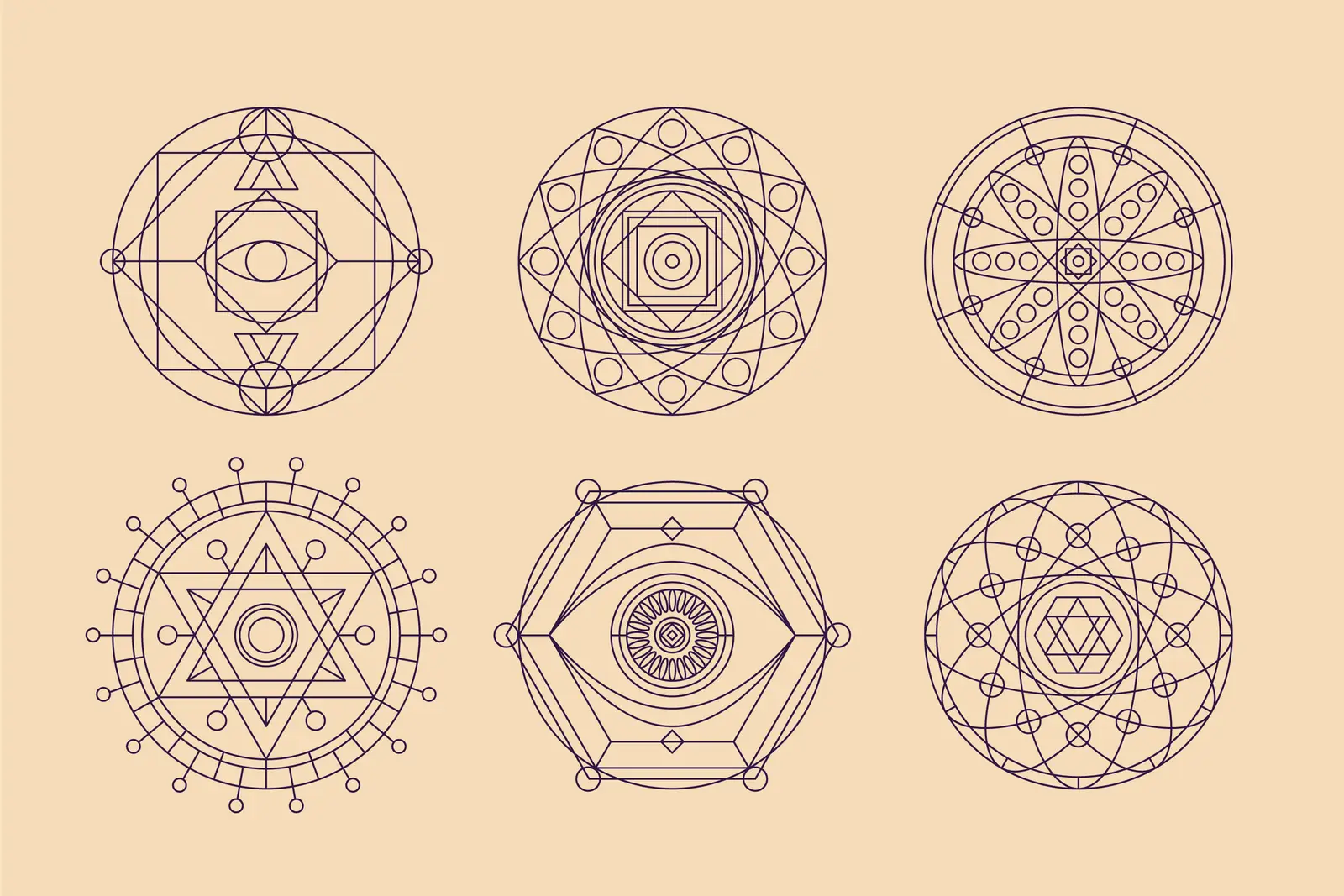
Within hermetic traditions—those mystical teachings concerned with spiritual evolution and the mastery of natural forces—cold represented one of the primary elements to be understood and integrated. Hermetic philosophy teaches “as above, so below,” suggesting that mastering external conditions reflects and catalyzes internal transformation. The deliberate embrace of cold was seen as an alchemical process: transforming the base metal of fear and discomfort into the gold of willpower and spiritual clarity.
Medieval alchemists didn’t just work with physical substances in their laboratories. They understood their practices as metaphors for inner transformation. The cooling and crystallization phases of alchemical work paralleled the practitioner’s own journey through discomfort toward purification. Cold water immersion served as both literal and symbolic baptism—a death of the comfortable self and rebirth into greater resilience.
The Science Behind the Shiver: Physiological Benefits of Cold Exposure
Modern research has begun to illuminate why these ancient practices created such profound effects. When you immerse yourself in cold water, your body initiates a cascade of physiological responses that extend far beyond the immediate moment.
Metabolic Activation and Brown Fat: Cold exposure activates brown adipose tissue (BAT), a specialized fat that generates heat by burning calories. Regular cold immersion increases BAT activity, potentially enhancing metabolic health and supporting weight management. Studies have shown that consistent cold exposure can improve insulin sensitivity and glucose metabolism.
Immune System Enhancement: Research indicates that cold water immersion stimulates the production of white blood cells and increases levels of interleukin-6, an anti-inflammatory cytokine. A Dutch study following Wim Hof’s methods demonstrated that trained participants could voluntarily influence their autonomic nervous system and immune response when exposed to an endotoxin—something previously thought impossible.
Cardiovascular Benefits: The vasoconstriction and subsequent vasodilation that occurs during and after cold exposure acts as a workout for your circulatory system. This process improves vascular function, potentially reducing blood pressure and enhancing overall cardiovascular health.
Neurochemical Shifts: Cold water triggers a significant release of norepinephrine, a neurotransmitter and hormone that enhances focus, attention, and mood. Some studies show norepinephrine levels can increase by 200-300% during cold exposure. This neurochemical surge may explain the reported improvements in mental clarity and the antidepressant effects many practitioners experience.
Mitochondrial Function: Emerging research suggests that cold exposure may enhance mitochondrial biogenesis—the creation of new mitochondria within cells. These cellular powerhouses are responsible for energy production, and their optimization supports everything from athletic performance to longevity.
The Wim Hof Method: Ancient Wisdom Meets Modern Practice
Wim Hof has become the most visible ambassador of cold exposure therapy, not merely because of his remarkable feats—running half marathons barefoot on ice, swimming beneath frozen lakes—but because he’s systematized an accessible approach combining cold immersion with specific breathing techniques and mental commitment.
The Wim Hof Method rests on three pillars: cold exposure, breathwork, and mindset. This trinity mirrors ancient practices remarkably. Yogic pranayama, Tibetan tummo breathing, and hermetic breath practices all recognized that controlled breathing could alter consciousness and physiology. What Hof has accomplished is translating these esoteric practices into a framework that scientists can study and everyday people can adopt.
His breathing protocol—cycles of deep inhalations and passive exhalations followed by breath retention—creates temporary, controlled hypoxia and hypocapnia (reduced oxygen and CO2 levels). This process appears to shift the nervous system, reduce inflammation, and prepare the body and mind for the stress of cold immersion. The breathwork itself becomes a form of meditation, a deliberate manipulation of autonomic processes that were once considered entirely involuntary.
The mental component—what Hof calls “commitment” or “mindset”—is perhaps where the connection to hermetic practices becomes most apparent. Hermetic training emphasized the development of will, the ability to maintain intention regardless of external circumstances. Cold immersion becomes a practice ground for this mental discipline. The moment when every fiber of your being screams to exit the ice bath is precisely the moment when transformation becomes possible.
Breathwork Integration: The Bridge Between Body and Spirit
Breath has always been considered the link between physical and spiritual realms. The Latin “spiritus,” the Greek “pneuma,” the Sanskrit “prana,” the Hebrew “ruach”—all these words mean both breath and spirit, suggesting that ancient cultures understood breathing as more than just gas exchange.
When integrated with cold exposure, breathwork serves multiple functions. Physiologically, it influences the balance of oxygen and carbon dioxide in the blood, affects pH levels, and modulates the autonomic nervous system. Psychologically, it provides a point of focus, an anchor for attention when discomfort threatens to overwhelm.
Before entering cold water, intentional breathing calms the nervous system and prepares the body for stress. During immersion, controlled breathing prevents hyperventilation and panic. After exiting, conscious breathing supports the body’s return to homeostasis while extending the meditative state the practice can induce.
Various traditions have developed specific breathing patterns for cold exposure. Box breathing (equal counts for inhale, hold, exhale, hold) creates steadiness and calm. Wim Hof’s technique emphasizes hyperventilation followed by retention, creating a particular neurochemical state. Tibetan tummo practitioners use rapid bellows breathing to generate internal heat while sitting in snow.
The common thread is that breath becomes a tool of mastery—over physiological responses, emotional reactions, and the wandering mind. This mastery is the essence of spiritual practice across traditions, and cold immersion provides an intense, immediate training ground.
The Spiritual Significance of Voluntary Discomfort
Why deliberately seek discomfort? In a world increasingly organized around convenience and comfort, the conscious choice to face cold water might seem perverse. Yet this voluntary hardship serves profound purposes that ancient practitioners understood intuitively and modern psychology is beginning to recognize.
Ego Dissolution and Humility: The moment you enter ice water, all pretense falls away. Social masks, self-concepts, ambitious plans—none of these matter when your entire being contracts against the cold. This stripping away of identity is precisely what many spiritual traditions seek through ascetic practices. The hermetic concept of solve et coagula—dissolve and coagulate—describes breaking down existing structures to rebuild something stronger.
Expanding the Comfort Zone: Each time you choose discomfort and survive it, you expand your sense of what’s possible. This expansion isn’t limited to physical challenges. People who maintain a cold exposure practice often report increased willingness to take risks in other life areas, whether in relationships, career, or creative pursuits. The practice becomes a template for facing fear.
Presence and Mindfulness: You cannot think about your to-do list in the first thirty seconds of an ice bath. The intensity of the sensation demands complete presence. This involuntary mindfulness is similar to what meditation practitioners spend years developing, and cold provides a shortcut—albeit an uncomfortable one—to that state of singular focus.
Transmutation of Suffering: Hermetic and alchemical traditions speak of transmuting base elements into gold, darkness into light, suffering into wisdom. Cold immersion provides a controlled environment for this transmutation. The suffering is real but bounded, voluntary rather than imposed. Learning to remain calm and even find ease within discomfort is a skill that translates to all of life’s inevitable challenges.
Connection to Something Greater: Many practitioners report that enduring cold creates a sense of connection—to nature, to their ancestors who survived harsher conditions, to a power within themselves they hadn’t previously accessed. This experience of transcendence, however brief, is what humans have sought through religious and spiritual practices throughout history.
Practical Guidance: Beginning Your Cold Practice
If this resonates with you, how might you begin? The beauty of cold exposure is its accessibility. You need no special equipment, no gym membership, no guru (though guidance helps).
Start Gradually: Begin with cold showers. After your normal warm shower, turn the water to cold for the final 30 seconds. Focus on controlled breathing. Over days and weeks, extend the duration. This gradual approach allows your nervous system to adapt without overwhelming it.
Master Your Breath First: Before attempting longer cold exposures, develop a relationship with your breath. Practice calm, controlled breathing in comfortable situations so it becomes automatic under stress. The breath is your primary tool for managing the cold.
Mind Your Safety: Never practice cold immersion alone, especially in natural bodies of water. Don’t stay in dangerously long—two to three minutes often provides substantial benefits. Exit if you experience severe shivering, confusion, or numbness. If you have cardiovascular conditions, consult a physician before beginning cold exposure.
Create Ritual: The spiritual power of cold immersion is amplified by treating it as ritual rather than mere routine. Set intention before entering. Perhaps light a candle, speak an affirmation, or spend a moment in gratitude. This ritualization connects your practice to the ancient traditions that came before.
Track Your Experience: Keep a journal of your practice. Note not just duration and temperature, but your mental state, emotional responses, and any insights that emerge. Over time, patterns will reveal themselves, and you’ll witness your own transformation.
Integrate the Lessons: The real practice isn’t the minutes in cold water but how you carry those lessons into the rest of your life. When facing difficult conversations, overwhelming tasks, or emotional discomfort, remember: you’ve trained for this. You’ve sat calmly in ice water. You can sit calmly with this too.
The Alchemy Continues
The ancient hermetic axiom “as above, so below” suggests that the macrocosm reflects the microcosm, that external practices mirror and catalyze internal changes. Cold immersion exemplifies this principle. What begins as a simple physical practice—exposing skin to cold water—becomes a comprehensive transformation of physiology, psychology, and spirit.
Modern science continues to uncover mechanisms behind these ancient practices, validating what mystics and ascetics have always known: deliberate discomfort, faced with proper preparation and mindset, forges resilience. The shock of cold water becomes a laboratory for studying your own mind, a dojo for training your will, and a purification ritual that cleanses more than just the body.
As you stand before the ice bath or turn the shower dial to cold, you participate in a tradition stretching back through centuries. The Spartan warriors, the hermetic initiates, the yogis in mountain caves, the shamans in sacred rivers—all faced the same elemental challenge. And in facing it, they discovered something that no amount of comfort could reveal: that strength, presence, and freedom are forged not in the avoidance of difficulty but in the willing embrace of it.
The alchemy of cold transforms more than the body. It transmutes fear into courage, reaction into response, and suffering into a peculiar joy born from the knowledge that you can endure. In this transformation lies the essence of what it means to be truly free—not from discomfort, but from being controlled by it.
The ice bath awaits. Your ancestors knew its power. Science confirms its benefits. The question is: will you take the plunge?
Ready to explore more practices for personal transformation? Subscribe to BornToBeFree.net for weekly insights on ancient wisdom, modern science, and the path to authentic freedom.
Going further: Quantum Breathwork with Espen Wold-Jensen on Gaia goes deep on the breathwork half of the Wim Hof equation, which this article only sketches.
Or, as a course: Ice Warrior: Ice Baths + Breathwork on Udemy pairs the cold with the breathwork, which is the half most people skip. No prior experience assumed. Affiliate link — Born To Be Free earns a commission if you subscribe or enrol, at no extra cost to you.