In a world where the average person checks their phone 144 times a day, a quiet rebellion is taking shape. People are seeking refuge from the constant buzz of notifications, the endless scroll of social media, and the overwhelming pressure to be perpetually online. Welcome to the world of analog wellness — a growing movement that’s redefining what it means to truly disconnect and recharge.
What is analog wellness?
Analog wellness is more than just putting your phone in a drawer for an afternoon. It’s a deliberate return to pre-digital ways of living and being present. Think handwritten journals instead of note-taking apps, vinyl records spinning on turntables, film cameras capturing moments without the immediate gratification of a screen preview, and face-to-face conversations that aren’t interrupted by buzzing devices.
This isn’t about rejecting technology entirely or romanticizing the past. Rather, it’s about reclaiming the parts of human experience that digital life has slowly eroded: deep focus, genuine boredom that sparks creativity, the tactile satisfaction of physical objects, and the ability to simply exist without documenting every moment.
The science behind the screen fatigue
Our brains weren’t designed for the digital deluge we experience daily. Research shows that constant connectivity leads to increased anxiety, disrupted sleep patterns, and what psychologists call “continuous partial attention”—a state where we’re never fully present anywhere.
The blue light from screens interferes with our circadian rhythms, while the dopamine hits from social media likes and notifications create addictive behavioral patterns similar to gambling. Studies have found that even the mere presence of a smartphone on a table reduces cognitive capacity and the quality of in-person conversations.
Perhaps most concerning is the impact on our attention spans. The average human attention span has dropped from 12 seconds in 2000 to just 8 seconds today— less than that of a goldfish. Our ability to engage in deep work, sustained reading, or lengthy reflection has atrophied in the age of infinite scroll.
Enter the digital detox retreat
As awareness of these issues grows, so does the digital detox retreat industry. These sanctuaries of analog living range from rustic cabins in the woods to luxury wellness resorts, but they all share one core principle: technology stays at the door.
At these retreats, guests surrender their devices upon arrival, often placing them in sealed pouches or locked boxes. What follows might feel like withdrawal for the first few hours — phantom vibrations, the instinctive reach for a phone that isn’t there — but then something remarkable happens.
Without digital distractions, retreat-goers report experiencing time differently. Hours feel longer, richer, more textured. They engage in activities that would seem mundane in their normal lives: extended nature walks without GPS tracking every step, preparing meals without photographing each dish, reading entire books in single sittings, and having conversations that meander without anyone fact-checking claims in real-time.
What happens at a digital detox retreat?
While each retreat offers its own unique programming, common elements include:
Mindful movement: yoga, hiking, swimming, and other physical activities done without fitness trackers or performance metrics. The focus shifts from quantified achievement to embodied experience.
Analog creativity: painting, pottery, woodworking, cooking, writing by hand — activities that engage the hands and require sustained attention without the undo button or easy shortcuts of digital tools.
Social connection: Group meals where everyone is actually present, storytelling circles, collaborative projects, and the lost art of sustained conversation without anyone checking their phone.
Nature immersion: Many retreats are located in areas with limited or no cell service, encouraging guests to attune to natural rhythms — sunrise and sunset, weather patterns, the sounds of wildlife—rather than the artificial tempo of notifications.
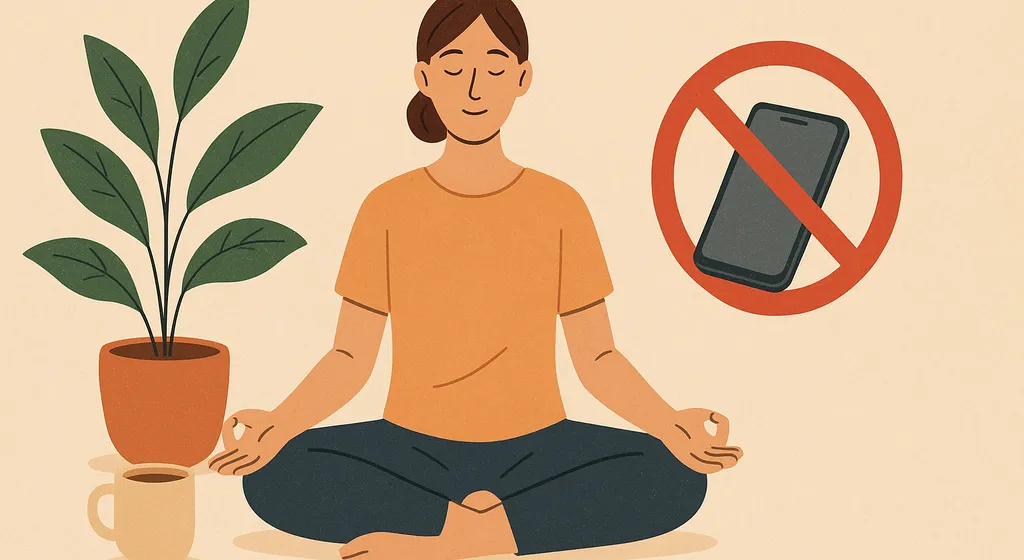
Contemplative practices: Meditation, journaling, silent walks, and reflection time allow participants to reconnect with their inner lives, often revealing just how much mental space digital noise had been occupying.
The challenges of disconnecting
Going analog isn’t always blissful. Many retreat participants report initial anxiety, even panic, at being separated from their devices. What if there’s an emergency? What if I miss something important? What if people think I’m ignoring them?
These fears reveal just how deeply enmeshed we’ve become with our technology. For many, smartphones function as security blankets, providing constant comfort and distraction from uncomfortable emotions or situations.
There’s also the very real challenge of FOMO — fear of missing out. In our hyperconnected world, being offline can feel like being left out of the conversation. Group chats move on, news cycles shift, and social events happen without you weighing in.
Yet those who push through these initial discomforts often describe a profound sense of liberation. The world doesn’t actually end when you’re unreachable for a few days. Most “urgent” matters turn out to be less critical than they seemed. And the things you might “miss” online pale in comparison to what you gain in presence and peace.
Bringing analog wellness home
The most valuable aspect of digital detox retreats isn’t the retreat itself — it’s the lessons and practices participants can integrate into everyday life. Here are some approaches that former retreat-goers have found sustainable:
Create phone-free zones in your home, particularly the bedroom and dining table. Charge devices outside the bedroom to improve sleep quality and start mornings without immediately diving into the digital world.
Establish analog hours — perhaps weekend mornings or weeknight evenings — where screens stay off and you engage in analog activities: cooking elaborate meals, playing board games, reading physical books, or simply sitting with your thoughts.
Rediscover hobbies that require sustained attention and offer no likes or followers: gardening, knitting, playing musical instruments, building models, sketching. The value is in the doing, not the documenting.
Practice single-tasking. When you eat, just eat. When you’re with friends, be fully with them. When you work, close unnecessary tabs and apps. Give your full attention to one thing at a time.
Set boundaries with technology rather than viewing it as an all-or-nothing proposition. Many people find success with apps that limit social media use, turning off non-essential notifications, or keeping phones in grayscale mode to reduce their addictive appeal.
The luxury of disconnection
There’s an uncomfortable truth about the digital detox movement: it’s often a privilege. Many people need to stay connected for work, cannot afford retreat fees, or have caregiving responsibilities that require constant availability.
This highlights a broader societal issue — our always-on work culture, where being responsive at all hours is expected, and where stepping away can feel like career sabotage. True analog wellness isn’t just an individual choice; it requires structural changes in how we think about work, productivity, and what it means to be present.
Nevertheless, even small acts of disconnection can be powerful. You don’t need to spend thousands on a retreat to experience benefits. A weekend camping trip with phones left in the car, a “no-phone challenge” dinner with friends, or simply leaving your device at home during a walk can offer glimpses of analog peace.
The future of analog wellness
As digital technology becomes increasingly sophisticated and immersive — with virtual reality, augmented reality, and AI assistants becoming more prevalent — the need for analog counterbalance will likely grow. Some futurists predict that unplugging will become the ultimate luxury, with “right to disconnect” laws becoming more common and analog spaces becoming premium offerings.
We’re already seeing this trend in restaurants that offer discounts for diners who check their phones at the door, hotels that feature in-room vinyl collections instead of streaming services, and workplaces experimenting with meeting-free days and email-free hours.
The digital detox movement isn’t about turning back the clock or rejecting technological progress. Technology has brought tremendous benefits — instant communication across distances, access to infinite information, tools for creativity and productivity. The question isn’t whether we should use technology, but how we can use it intentionally rather than letting it use us.
Finding your analog path
Analog wellness looks different for everyone. For some, it might mean a dramatic week-long retreat without any digital contact. For others, it might simply mean putting the phone in another room while reading before bed or taking walks without earbuds playing podcasts.
The key is to notice how technology makes you feel and to make conscious choices about your relationship with it. Do you reach for your phone out of habit or genuine need? Does scrolling social media energize or deplete you? When was the last time you experienced true boredom, or got lost in an activity so absorbing that time seemed to disappear?
These questions are worth sitting with — preferably somewhere quiet, with your phone out of reach.
In our hyperconnected age, the ability to disconnect has become a radical act of self-care. Whether through a dedicated retreat or small daily practices, analog wellness offers a path back to presence, to depth, to the richly textured experience of being fully alive in the physical world.
Sometimes the most advanced thing we can do is put down the device, step away from the screen, and remember what it feels like to simply be here, now, analog and whole.
Going further: The Power of Digital Detox: Disconnect to Reconnect on Udemy is the retreat’s method without the retreat’s price. Affiliate link — Born To Be Free earns a commission if you enrol, at no extra cost to you.